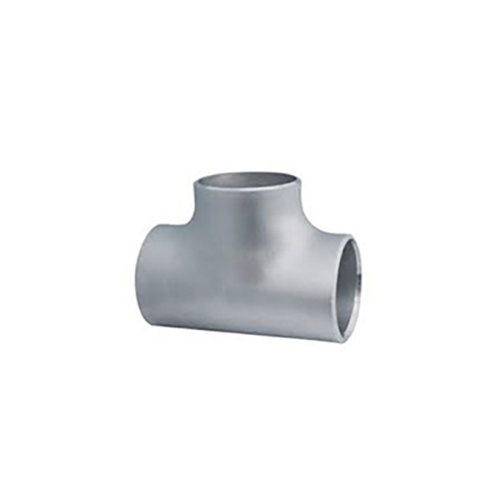
Alloy Steel Pipe Fittings About
Specification of Alloy Steel Pipe Fittings:
- Connection- Welded, male, Female
- Size- 1/2 inch, 3/4 inch,1 inch, 2 inch
- Application- Structure Pipe, Chemical Fertilizer pipe
- Material grade- SS316, SS316L, SS304L, ASTM A240
- Specifications : ASTM A234 / ASME SA234
- Size : 1/8" NB TO 48" NB. (Seamless & 100% X-Ray Welded, Fabricated)
- Standards : ASME/ANSI B16.9, ASME B16.28, MSS-SP-43
- Thickness : Sch 5s, Sch 10s, Sch 40s, Sch 80s, Sch 160s, Sch XXS
- Type : Seamless / Welded / Fabricated
Exceptional Strength and DurabilityAlloy steel pipe fittings are engineered for rigor, meeting demanding mechanical and thermal requirements. With tensile strengths between 415-585 MPa, yield strengths of 205-450 MPa, and hardness values of 143-217 HB, these fittings can withstand high pressure and temperature ranges from -20C to 593C. Their robust construction ensures long service life under challenging industrial conditions.
Comprehensive Quality AssuranceThese fittings undergo exhaustive quality inspections, including hydrostatic tests, ultrasonic evaluation, and 100% radiography. Adhering to standards such as ASME B16.9, B16.11, MSS SP-75, and ASTM A234, each piece is rigorously checked for structural integrity and compliance, guaranteeing exceptional safety and reliability for critical industrial applications.
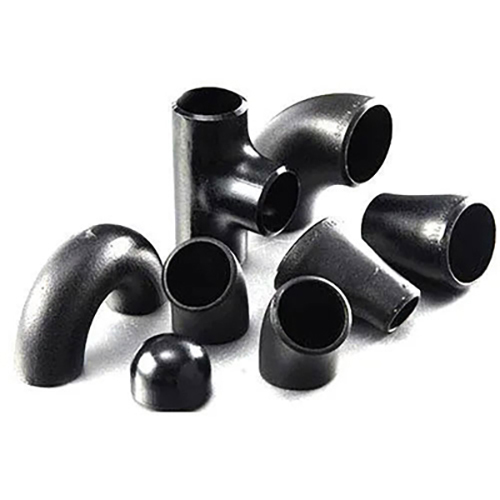
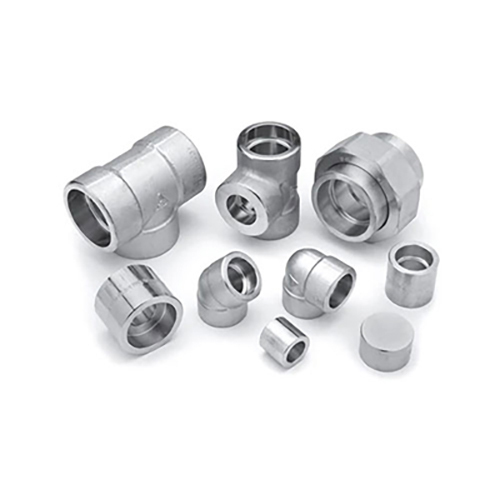
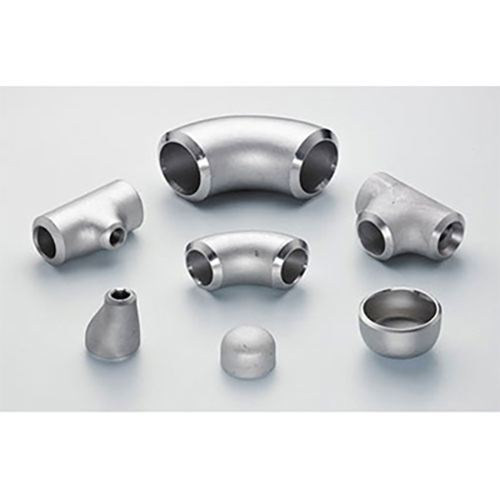
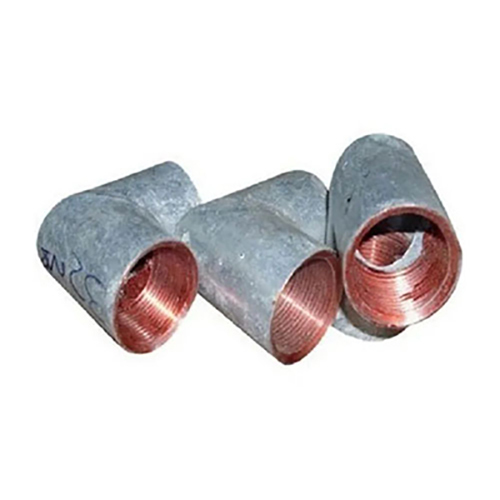
Wide Range of Applications and Custom SolutionsManufactured to suit various industrial needs, alloy steel pipe fittings are available in diverse shapes-teees, elbows, reducers, couplings, caps, unions-and connection types like butt weld, socket weld, and threaded (NPT, BSP). Surface treatments such as black painting, galvanization, or anti-rust oil coating further enhance resilience. Custom lengths, diameters, and bend radii are available to match specific project requirements.
FAQ's of Alloy Steel Pipe Fittings:
Q: How are alloy steel pipe fittings manufactured?
A: Alloy steel pipe fittings are produced through seamless, welded, or forged manufacturing methods. Each process is selected based on the fitting's application requirements, dimensional tolerances, and expected mechanical performance.
Q: What quality control processes are applied to these fittings?
A: Every fitting undergoes 100% radiography, hydrostatic, and ultrasonic testing to ensure there are no structural defects and that each product meets rigorous industry standards such as ASME B16.9, B16.11, and MSS SP-75.
Q: When should I choose alloy steel pipe fittings for my project?
A: Alloy steel pipe fittings are ideal for high-pressure, high-temperature environments such as petrochemical, power generation, oil & gas, shipbuilding, and chemical industries, especially when exceptional corrosion resistance and mechanical strength are required.
Q: Where can these fittings be applied within an industrial system?
A: They are widely used in pipe connections within industrial systems, including main pipelines, branching lines, and pressure containment areas, due to their versatility in shapes (tee, elbow, reducer, etc.) and excellent sealing and mechanical properties.
Q: What surface and heat treatment options are available?
A: Fittings can be supplied with surface treatments like black painting, zinc/epoxy coatings, or anti-rust oil. Heat treatments-including normalizing and quenching & tempering-are applied as per application and customer requirements.
Q: How do these fittings benefit industrial operations?
A: Utilizing high-quality alloy steel fittings ensures robust system integrity, extended operational life, resistance to corrosion and extreme conditions, and compatibility with standard piping, leading to reduced maintenance and downtime.
Q: What end types and connection options can I select?
A: Available end types include bevelled, plain, and threaded ends with connection options such as butt weld, socket weld, and threaded types (NPT, BSP), allowing seamless integration into various piping systems.

 Send Inquiry



 Send Inquiry

 Send Inquiry