3Pc Flanged End Ball Valve About
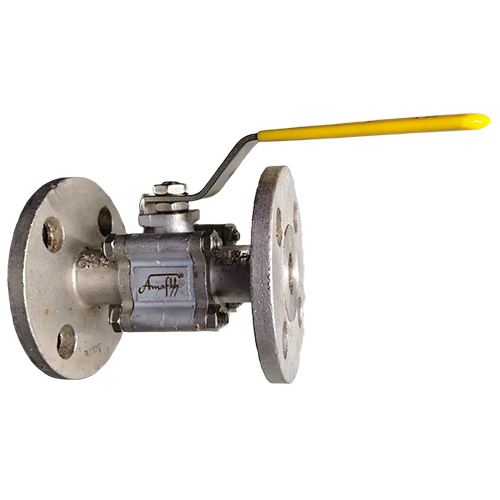
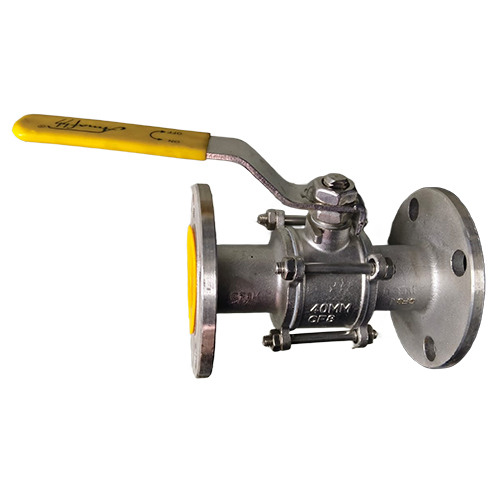
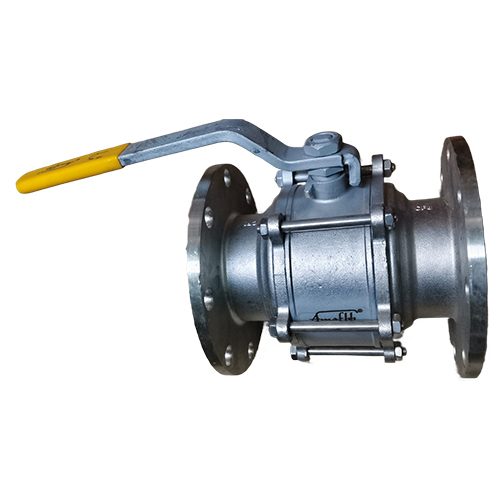
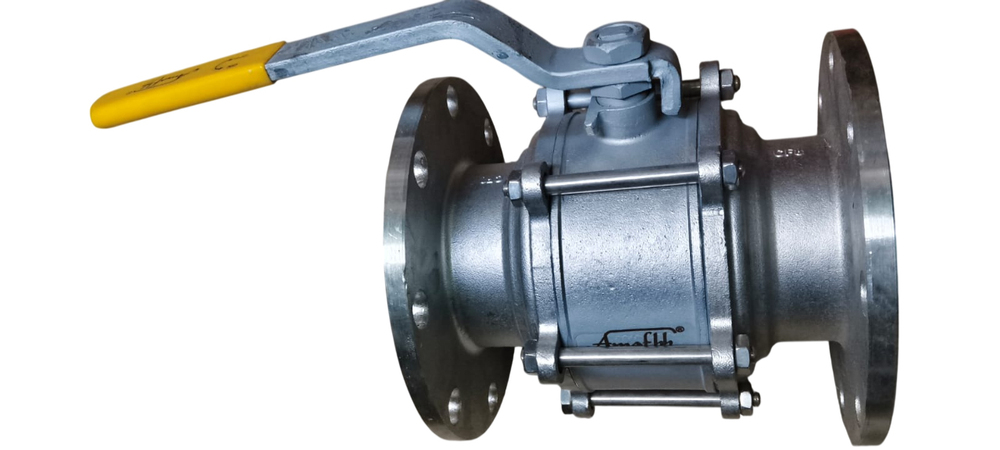
PRODUCT - INVESTMENT CASTING CF8 - CF8M 3PC FLANGED ENDS FULL BORE BALL VALVE A.S.A 150
- BODY - ASTM A 351 Gr. CF8 - CF8M
- BALL - ASTM A 351 Gr. CF8 - CF8M
- STEM - AISI 304/AISI 316
- SEAT & SEAL - GFT ( GLASS FILLED TEFLON )
- MFG. STD - BS 5351/API6D
- INSP. & TEST - BS 6755/API598
- LEVER - SS WITH PVC SLEEVE
- ENDS - FLANGED TO ANSI B16.5 RF (150#)
HYD.TEST PRESSURE -
- BODY - 425 Psig(30Kg/Cm2)
- SEAT - 300Psig(21Kg/Cm2)
- SIZE RANGE - 15MM TO 80MM
Superior Industrial Standards & Build QualityBuilt to exceed ASME B16.34 and API 598 standards, this valve incorporates a full bore, three-piece design for optimal flow and easy maintenance. With corrosion-resistant coatings and materials such as stainless steel, carbon steel, or cast iron, durability in demanding environments is ensured.
Enhanced Safety & Operational ConvenienceSafety is prioritized with features like a blowout proof stem, fire safe design, antistatic device, and locking mechanism. The lever operation allows simple manual control, while the mounting pad (ISO 5211) and lockable handle prevent unauthorized operation, minimizing operational risks.
Versatile Application & Reliable SealingEngineered for a multitude of media-water, oil, gas, and steam-the valve ensures bubble-tight sealing with Class VI leakage certification. Graphite or PTFE gaskets and easy inline maintenance further enhance dependability in industrial, chemical, and water treatment sectors.
FAQ's of 3Pc Flanged End Ball Valve:
Q: How is the 3Pc Flanged End Ball Valve maintained in an industrial setting?
A: The valve's three-piece design enables easy inline maintenance, allowing removal and replacement of internal components without detaching the valve from the pipeline. This minimizes downtime and reduces maintenance costs in industrial environments.
Q: What types of seat materials are available, and how do I choose the right one?
A: Available seat materials include PTFE, RPTFE, and CFT. PTFE offers general chemical resistance, RPTFE provides enhanced durability and temperature resistance, while CFT is ideal for more demanding chemical and temperature applications. Selection depends on your process requirements and media compatibility.
Q: When should I opt for the fire safe and antistatic features?
A: Fire safe and antistatic features are recommended for applications involving flammable, hazardous, or volatile media, such as in chemical, petroleum, and power plant settings. They ensure safety compliance and reduce the risk of valve failure during emergencies.
Q: Where can these valves be installed and used effectively?
A: These ball valves are designed for use in various industries, including industrial manufacturing, chemical processing, petroleum refining, power plants, and water treatment facilities. They are suitable for both indoor and outdoor installations, provided temperature and pressure ratings are observed.
Q: What is the process for selecting the correct valve size and material for a specific application?
A: Determine your process needs by considering fluid type, temperature, pressure, and pipe connection standards. Match these with the appropriate port size (ranging from 1/2 inch to 12 inches) and select body material (stainless steel, carbon steel, or cast iron) and flange standard (ANSI, DIN, or JIS) for optimal compatibility.
Q: How does the blowout proof stem and locking device enhance safety?
A: The blowout proof stem design retains the stem within the valve body even under high-pressure conditions, reducing the risk of accidental release. The locking device restricts unauthorized operation, protecting both personnel and equipment.
Q: What are the main benefits of using this full bore, flanged end ball valve?
A: Key benefits include minimal flow resistance (full bore), bubble-tight shutoff, corrosion resistance, fire and antistatic safety features, multiple mounting and operation options, and easy maintenance. These attributes ensure long service life and reliability in critical industrial systems.

 Send Inquiry



 Send Inquiry

 Send Inquiry