Butterfly Valve About
Versatile Design for Multiple MediaThis wafer type butterfly valve is engineered for compatibility with a wide range of fluids, including water, air, gas, oil, and various non-corrosive substances. Its robust rubber lining (EPDM/NBR/Viton) safeguards against chemical wear, while the disc material options grant flexibility for different applications. The valve is available in port sizes from 112" to 24" (DN 40 to DN 600), making it suitable for various project sizes and requirements.
Reliable Shut-Off and PerformanceDesigned to deliver bubble-tight shut-off, this valve effectively prevents leakages even under demanding conditions. It is tested hydrostatically at 1.5 times the rated pressure, ensuring dependable operation in PN10/PN16 systems. The 90 quarter-turn operation is intuitive and suitable for manual actuation, facilitating quick isolation or regulation in your piping system.
Adherence to International StandardsComplying with major international standards such as API 609, BS 5155, IS 6411/ISO 5752, and ISO 5211, this valve assures quality and dimensional compatibility. Its fusion bonded epoxy coating adds an extra layer of corrosion resistance, enhancing its durability, particularly in challenging industrial environments.
FAQs of Rubber Lined Wafer Type Butterfly Valve
Q: How is the Rubber Lined Wafer Type Butterfly Valve installed in a piping system?
A: This valve is designed for wafer-type installation, meaning it fits between two flanges in your existing pipeline. Proper alignment is ensured by following the face-to-face dimension standard (short pattern), with end connection compatibility based on IS 6411 or ISO 5752 specifications.
Q: What are the benefits of using rubber-lined seats like EPDM, NBR, or Viton?
A: Rubber-lined seats such as EPDM, NBR, or Viton provide superior sealing, chemical resistance, and durability. They offer bubble-tight shut-off performance and allow the valve to be used with a broader range of fluids without risk of seat degradation.
Q: When should I choose a disc made from SS 304 or SS 316 over ductile iron?
A: Opt for SS 304 or SS 316 disc materials if your system handles corrosive or aggressive fluids. These stainless steel variants offer enhanced corrosion resistance compared to ductile iron, extending valve lifespan under stringent conditions.
Q: Where can this butterfly valve be used effectively?
A: This valve is ideal for water supply systems, HVAC, chemical processing, oil & gas pipelines, and general industrial applications involving non-corrosive fluids. Its robust design and wide compatibility make it suitable for both new installations and system upgrades.
Q: What is the process for operating this valve, and what power sources can be used?
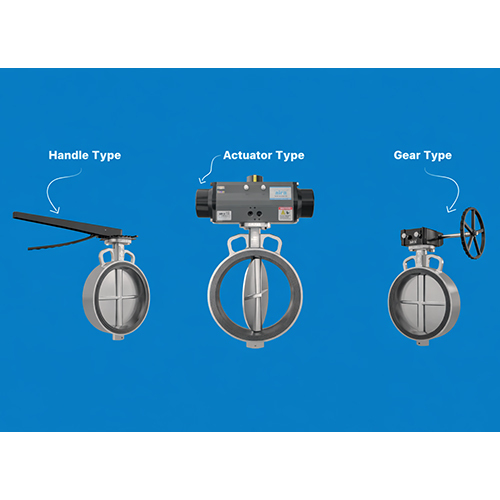
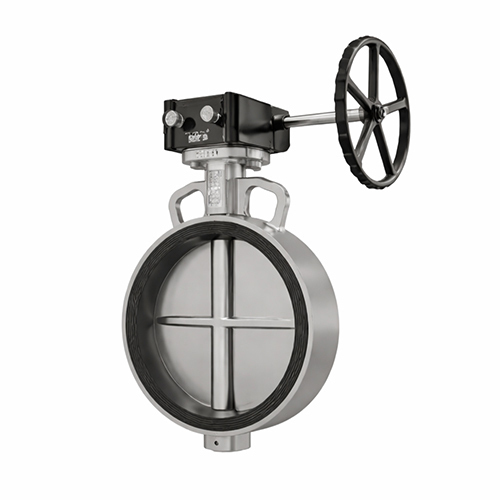
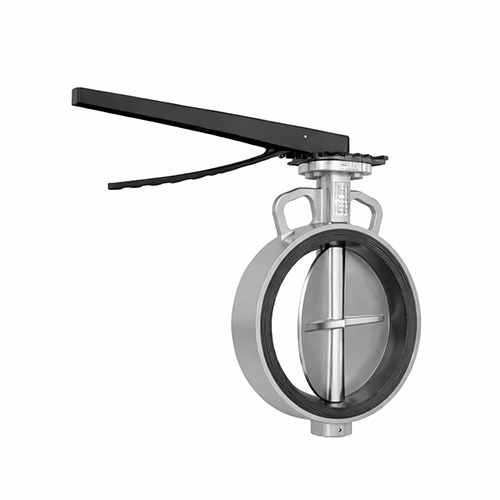
A: The valve operates with a quarter-turn, 90 rotation, which can be achieved manually via lever or gear mechanisms. No external electric or pneumatic power source is required, making it easy to use and dependable in manual systems.
Q: How does the fusion bonded epoxy coating enhance valve performance?
A: The fusion bonded epoxy coating provides an additional layer of corrosion resistance to the valve body. This ensures long-term durability, particularly in environments susceptible to moisture, chemicals, or abrasive media.

 Send Inquiry


 Send Inquiry

 Send Inquiry